Sale Price:
$29.00
Original Price:
$37.00
This isn't a guide about choosing sides. It's not "natural" versus "medication," or shame versus validation. It's about understanding your body's satiety signaling system — and making informed, sovereign decisions about how to support it.
Whether you're exploring GLP-1 receptor agonist medications, supporting your body's natural GLP-1 production through nutrition and lifestyle, or combining both with your Personal Board of Health Directors — this guide gives you the evidence-based information you deserve, without judgment.
What's Inside
What GLP-1 is, how it works, and why signaling often changes in perimenopause and midlife
A clear, judgment-free breakdown of GLP-1 receptor agonist medications — how they work, who they're for, and what to expect
Direct answers to the stigma and criticism surrounding these medications
Evidence-based nutrition strategies to support GLP-1 naturally: fiber, protein, healthy fats, fermented foods, and eating patterns backed by research
15+ recipes built around satiety-supporting nutrition
Guidance on building your Personal Board of Health Directors and the questions worth asking before starting any medication
Movement, sleep, and stress strategies that support metabolic health
Who This Is For
Women 35+ navigating weight, metabolism, and the cultural noise around both — whether you're on medication, considering it, or supporting your body naturally. This guide meets you without an agenda for which path you choose.
The Her Hive Collective Promise
You don't need to justify your healthcare choices to anyone. This guide exists to inform, not prescribe — so you can make decisions rooted in your own sovereignty.
Disclaimer: This guide is for educational and informational purposes only and is not intended as medical advice. GLP-1 receptor agonist medications are prescription drugs that should only be used under the supervision of a qualified healthcare provider. This guide does not recommend for or against their use. Always consult your healthcare provider before making changes to your diet, lifestyle, or medication regimen.
This isn't a guide about choosing sides. It's not "natural" versus "medication," or shame versus validation. It's about understanding your body's satiety signaling system — and making informed, sovereign decisions about how to support it.
Whether you're exploring GLP-1 receptor agonist medications, supporting your body's natural GLP-1 production through nutrition and lifestyle, or combining both with your Personal Board of Health Directors — this guide gives you the evidence-based information you deserve, without judgment.
What's Inside
What GLP-1 is, how it works, and why signaling often changes in perimenopause and midlife
A clear, judgment-free breakdown of GLP-1 receptor agonist medications — how they work, who they're for, and what to expect
Direct answers to the stigma and criticism surrounding these medications
Evidence-based nutrition strategies to support GLP-1 naturally: fiber, protein, healthy fats, fermented foods, and eating patterns backed by research
15+ recipes built around satiety-supporting nutrition
Guidance on building your Personal Board of Health Directors and the questions worth asking before starting any medication
Movement, sleep, and stress strategies that support metabolic health
Who This Is For
Women 35+ navigating weight, metabolism, and the cultural noise around both — whether you're on medication, considering it, or supporting your body naturally. This guide meets you without an agenda for which path you choose.
The Her Hive Collective Promise
You don't need to justify your healthcare choices to anyone. This guide exists to inform, not prescribe — so you can make decisions rooted in your own sovereignty.
Disclaimer: This guide is for educational and informational purposes only and is not intended as medical advice. GLP-1 receptor agonist medications are prescription drugs that should only be used under the supervision of a qualified healthcare provider. This guide does not recommend for or against their use. Always consult your healthcare provider before making changes to your diet, lifestyle, or medication regimen.


 Image 1 of 7
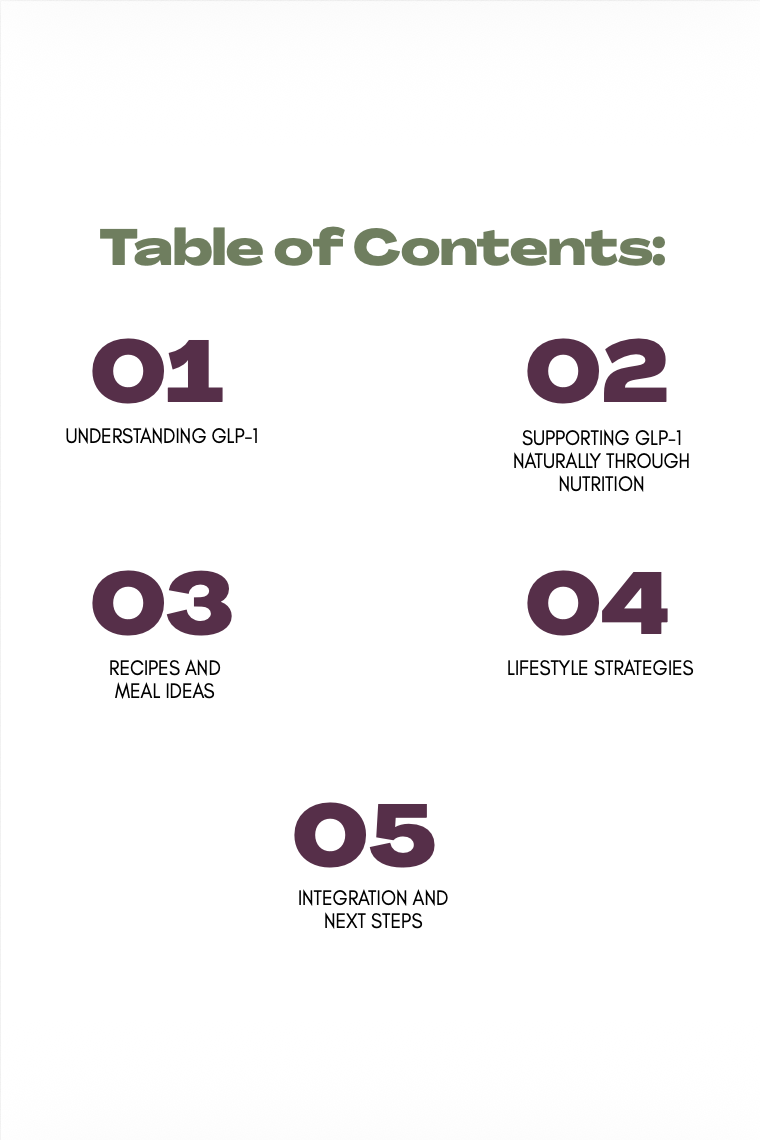 Image 2 of 7
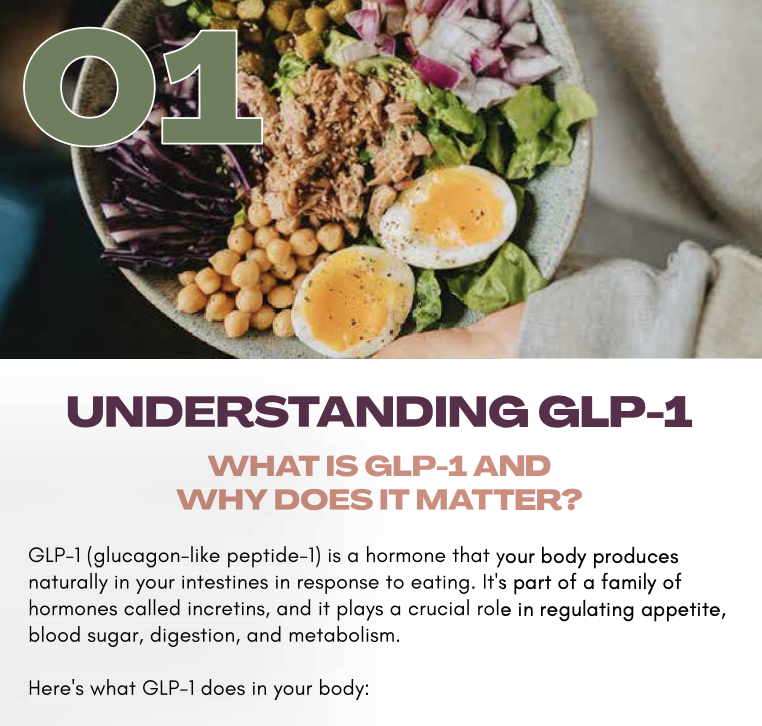 Image 3 of 7
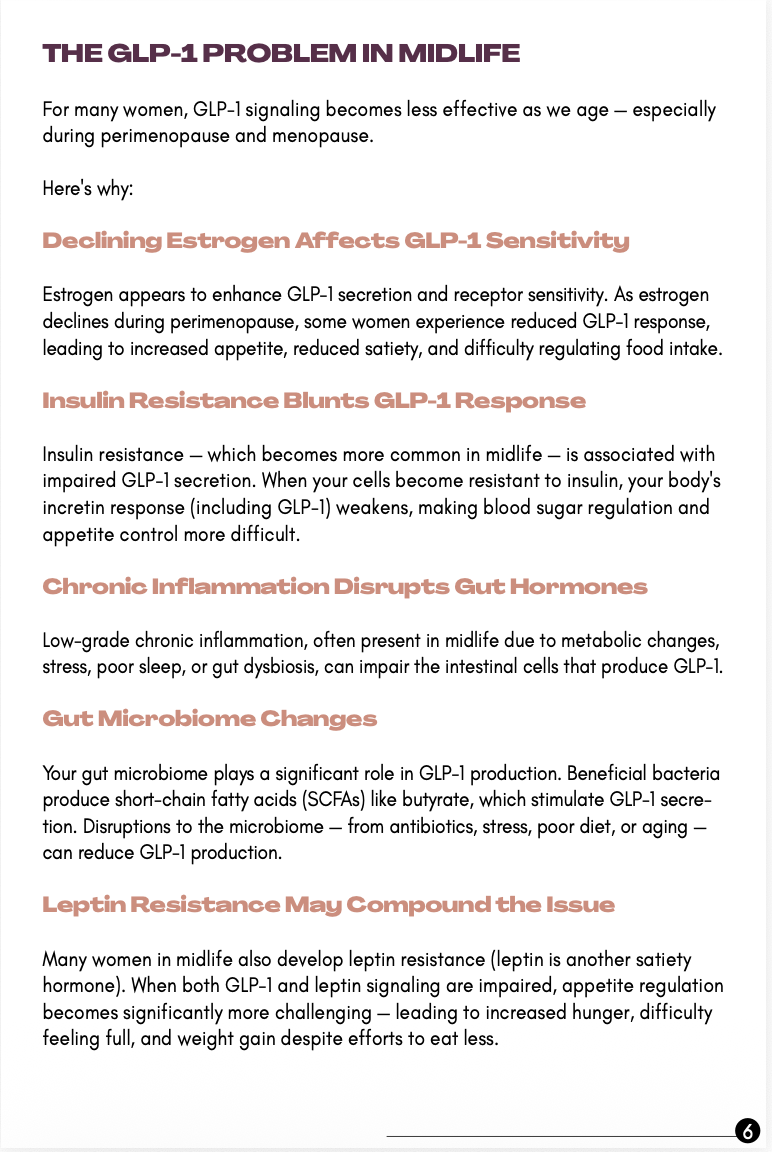 Image 4 of 7
 Image 5 of 7
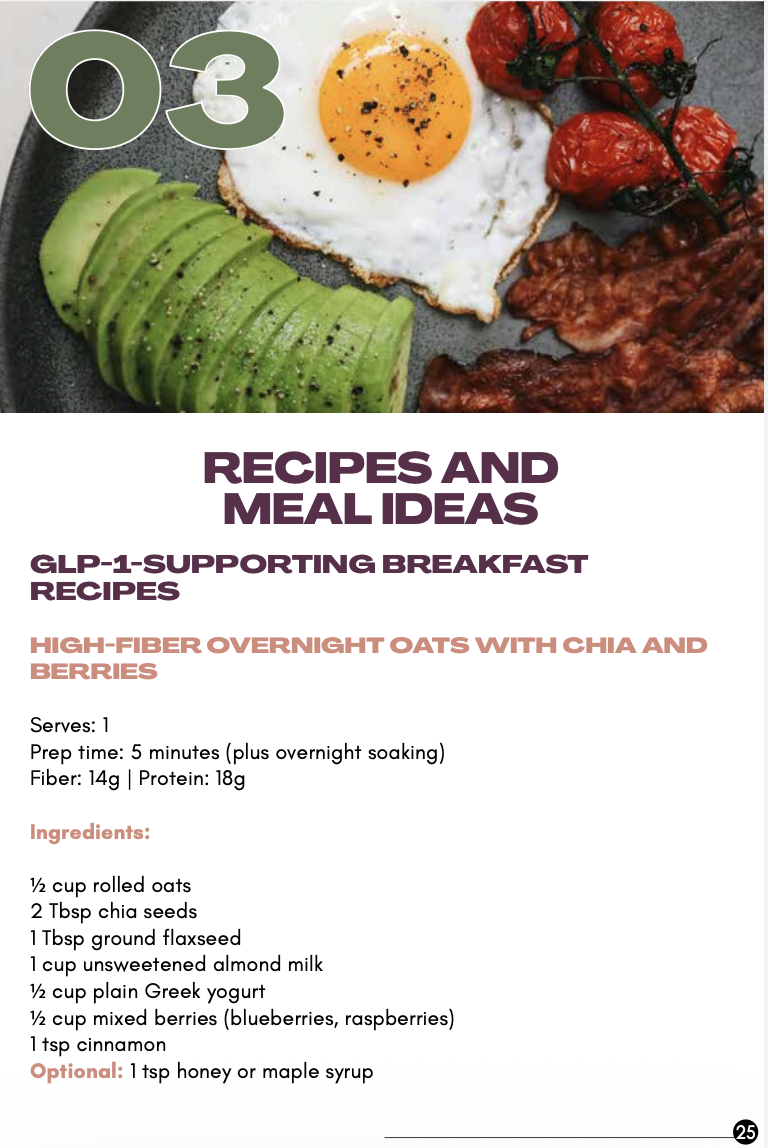 Image 6 of 7
 Image 7 of 7